
 Costa del Sol Invest
  CostaSecret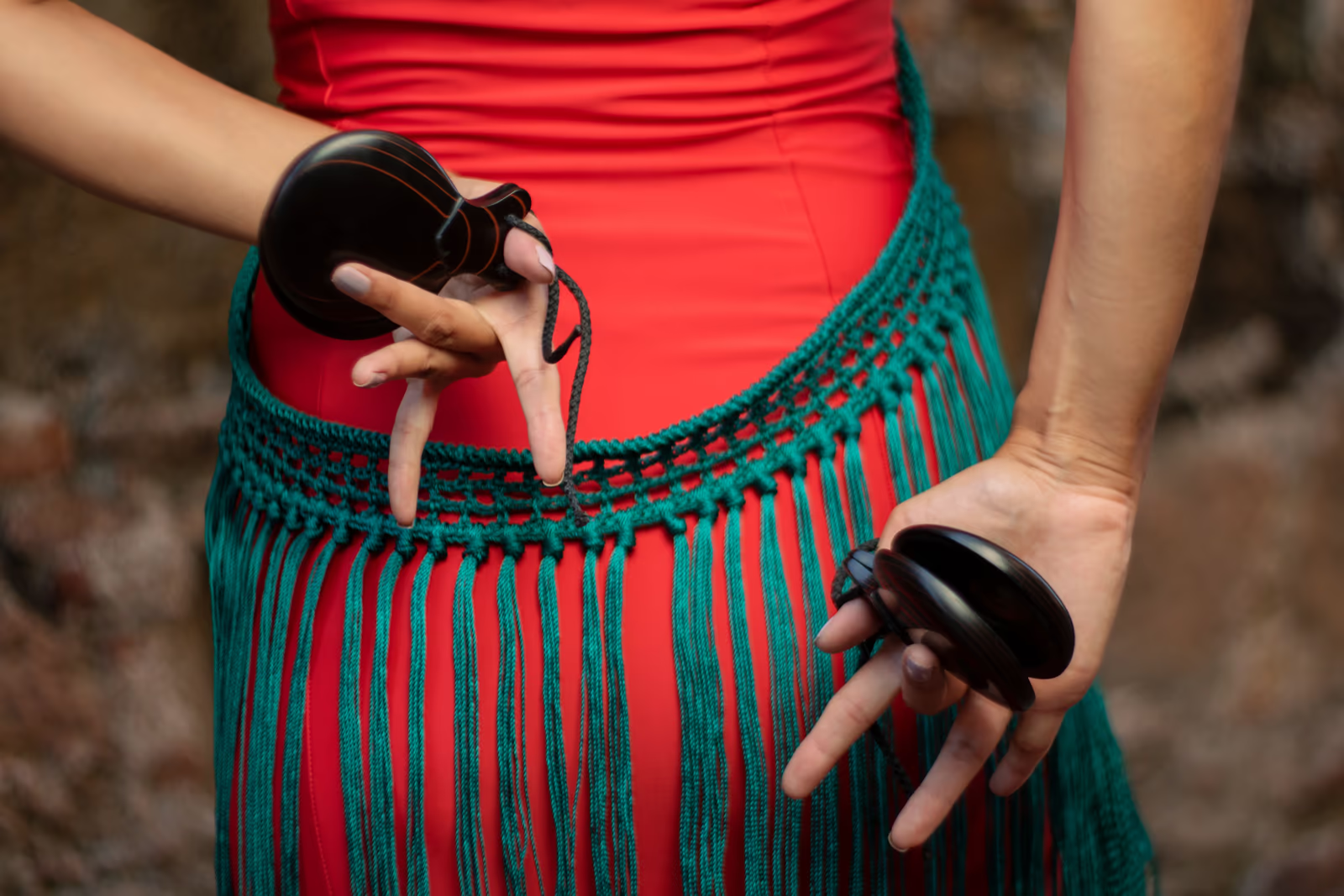
What is the Feria de La Cala?
The feria is the village's main popular festival, held in honour of its patron saint Santiago Apóstol (Saint James), whose feast day falls on 25 July. Like every Andalusian feria, it is all about community: families, neighbours and visitors gather in the casetas (festival marquees) to eat, drink, dance and meet.
The feria has deep roots in the village's history. To learn how La Cala grew from a fishing village into the place it is today, read our history of La Cala de Mijas. The official programme is published each year by the Ayuntamiento de Mijas.
When is the feria?
The Feria de La Cala takes place each year around late July, usually in the week of Santiago (roughly 22 to 27 July). The exact dates vary year to year, so check the current programme shortly beforehand. In 2026 the feria runs from 22 to 27 July.
This is also the busiest and warmest time of year on the Costa del Sol. Staying in La Cala during the feria puts you in the front row, from Coral Mijas Stay in Riviera del Sol the fairground is a few minutes' walk away.
The opening: parade and lights
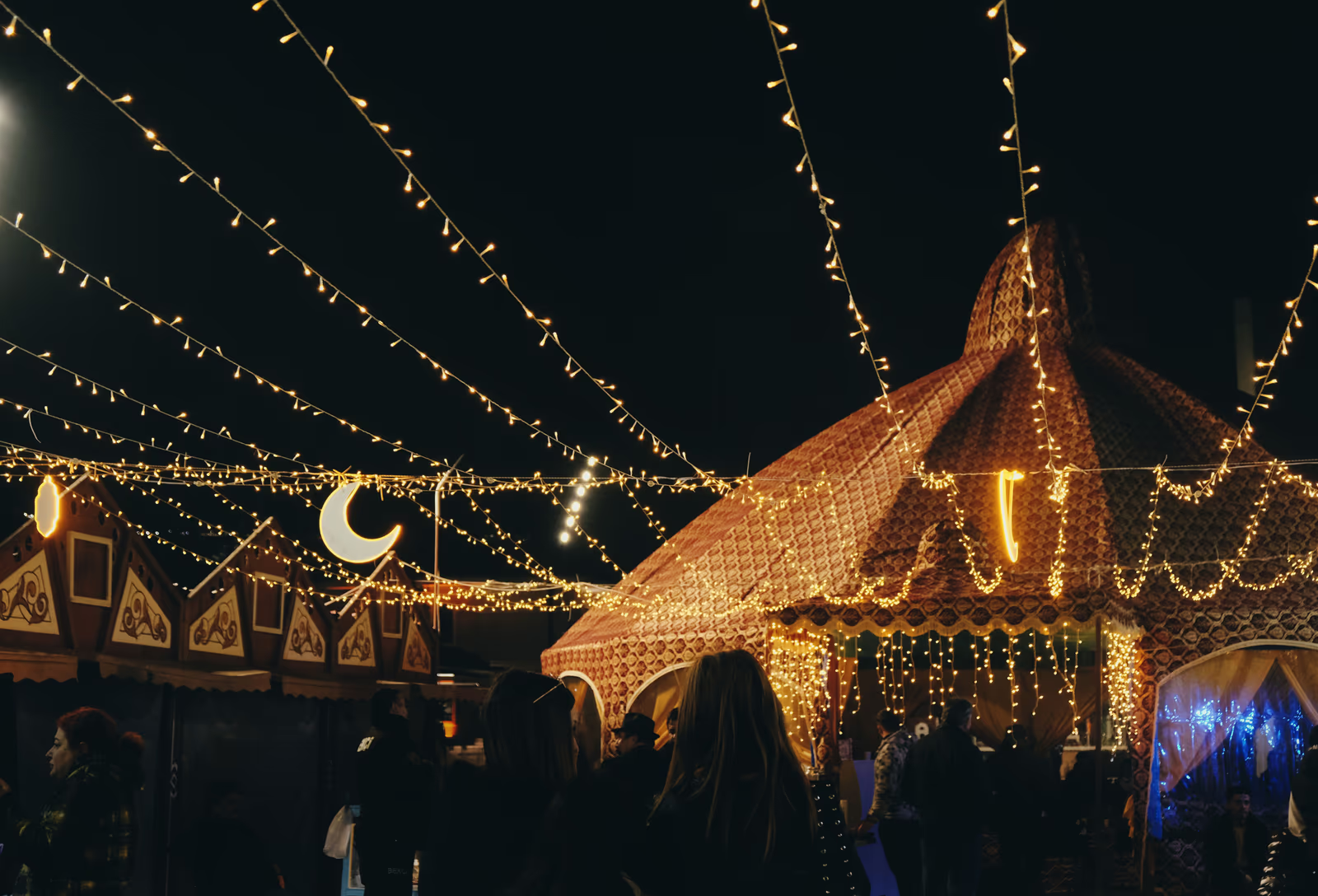
The feria traditionally begins with a colourful street parade in the early evening, featuring giants (gigantes), big-heads (cabezudos) and music bands marching through the streets of La Cala to the Recinto Ferial. There, the mayor and the elected 'Abuelo' and 'Abuela' (Grandfather and Grandmother) of the feria switch on the festival illuminations (alumbrado) around 22:30, the official start.
From that moment the casetas fill up. The lights, the stalls and the music give the grounds an enchanting atmosphere. Arrive early on the first evening to catch the parade and the switching-on of the lights.
Feria de Día & Feria de Noche
An Andalusian feria has two faces. The Feria de Día takes place during the day, often around the Torreón and the village centre (roughly 13:00–20:00): live music, tapas, a glass of wine or rebujito in the sun, and games for children. It is relaxed, sunny and family-friendly.
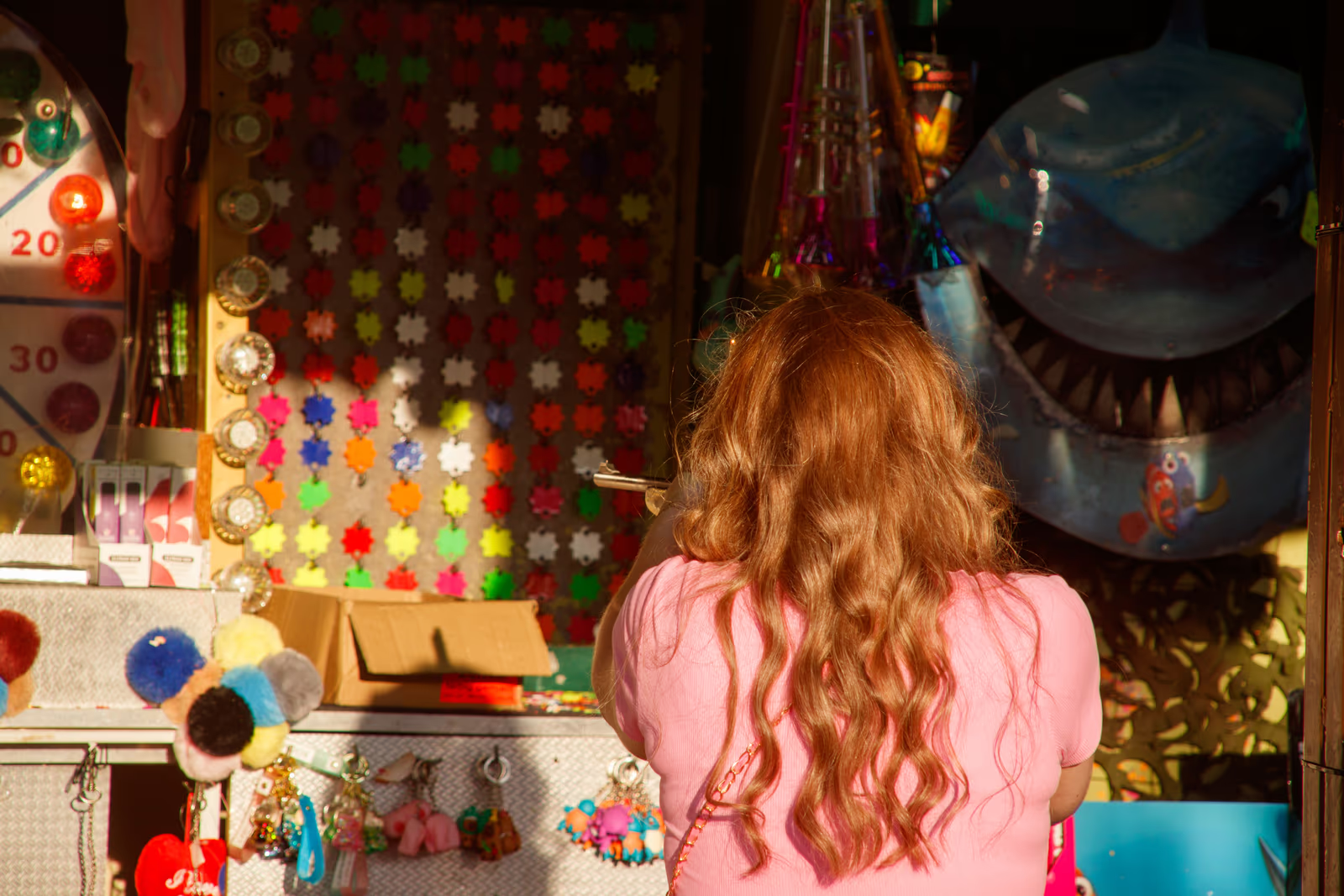
The Feria de Noche moves to the Recinto Ferial in the evening, with casetas, funfair rides and music into the small hours. Together they make the feria complete: cosy in the village in the afternoon, a big party on the grounds at night.
Sevillanas, flamenco and food
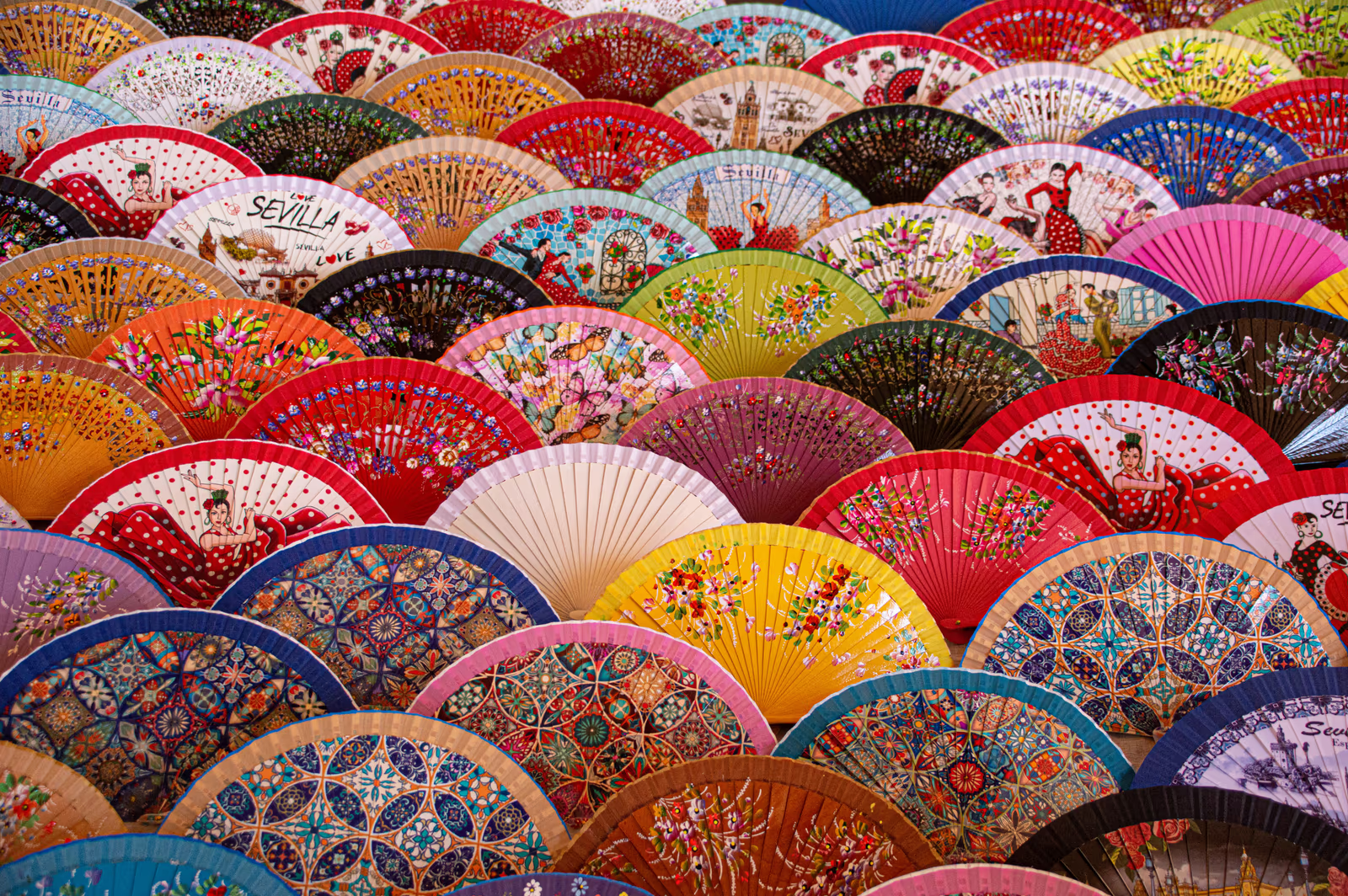
Music is the engine of the feria. Sevillanas, flamenco and rumba sound from every caseta, and you do not need to be an experienced dancer to join in, locals happily invite visitors. Many women wear the colourful traje de flamenca, and the atmosphere is exuberant yet good-natured.
On the food side it is all about feria classics: fried fish, pescaíto, tapas and the typical rebujito (sherry with lemonade). To find out where to eat best outside the feria, read our guide to restaurants & tapas in La Cala de Mijas.

Practical tips
The feria is free to enter. Expect crowds and limited parking during the festival, come on foot or by bus if you can. The centre and the promenade are packed in the evenings; keep children close and agree on a meeting point.
The organisers increasingly consider inclusivity: during certain hours (often around 19:00–21:00) noise and flashing lights are reduced for people with autism. During the day the feria is excellent for families; see also La Cala de Mijas with kids.
Frequently asked questions
The feria takes place each year around late July, in the week of patron saint Santiago (roughly 22-27 July). Exact dates vary; in 2026 it runs from 22 to 27 July.
The Feria de La Cala is celebrated in honour of the patron saint Santiago Apóstol (Saint James), whose feast day falls on 25 July.
The Feria de Día is during the day (around 13:00-20:00) near the village centre and the Torreón, with music and tapas in the sun. The Feria de Noche is in the evening at the Recinto Ferial, with casetas, funfair and music until late.
Yes, entry to the feria is free. Food, drink and funfair rides are paid separately. Expect crowds and limited parking.
Definitely. The Feria de Día is very family-friendly with games and a funfair, and there are often sensory-friendly hours with reduced noise and light for children with autism.
Come on foot or by bus if you can; parking is difficult during the feria. From Coral Mijas Stay in Riviera del Sol the fairground is just a few minutes' walk away.