
 Costa del Sol Invest
  CostaSecret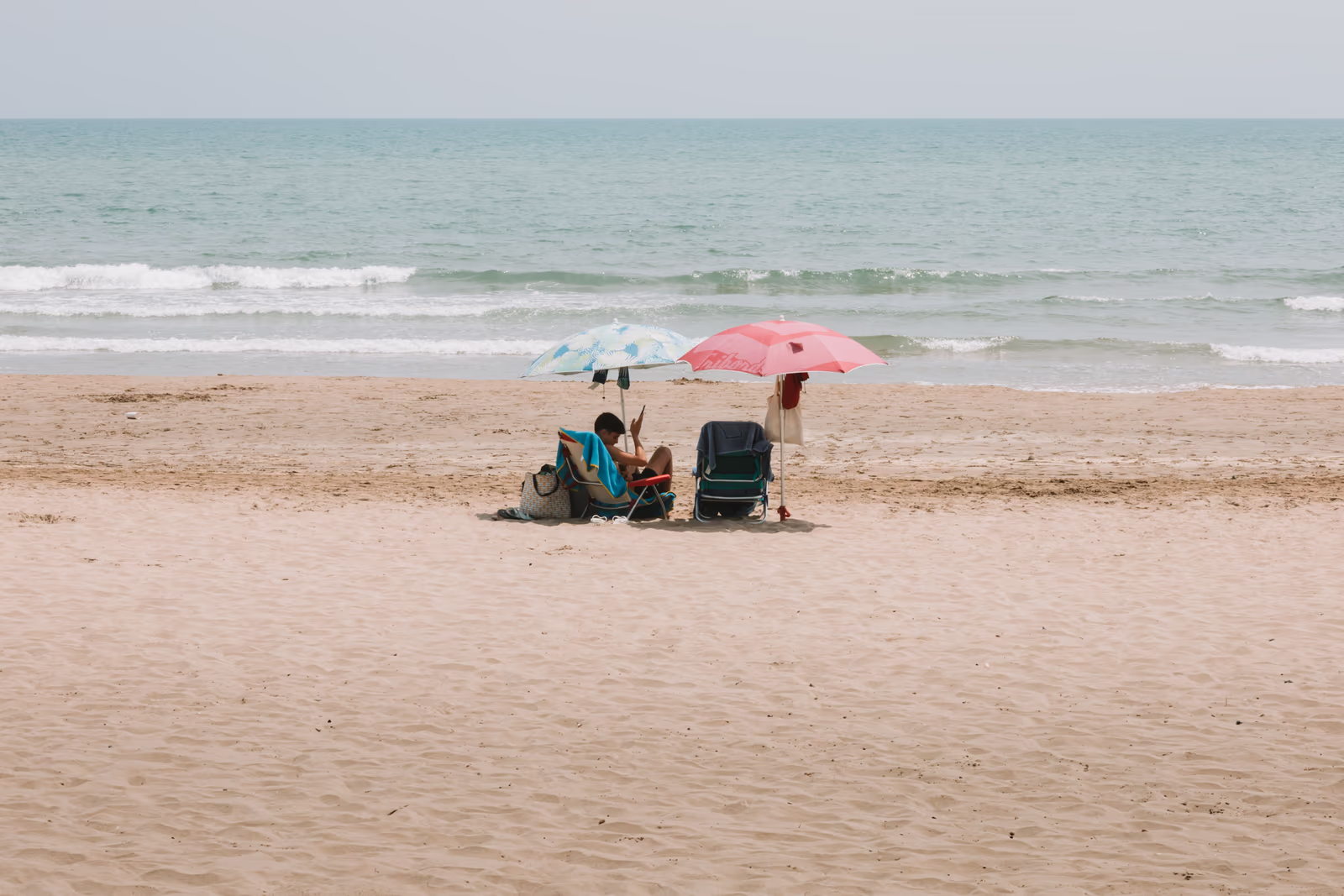
The Mijas Costa coastline: an overview
Mijas Costa stretches across 12 kilometres of Mediterranean coastline between Fuengirola to the east and Marbella to the west. The coastline consists mainly of wide sandy beaches with dark-gold to light-brown sand, interspersed with rocky sections and small coves. The water is clear and generally calm, although westerly winds can produce larger waves, ideal for surfers, less so for small children.
The beaches of Mijas Costa are divided into several zones, each with its own character. From west to east you'll find El Chaparral, Calahonda, Riviera del Sol, El Bombo and La Cala de Mijas. Most beaches offer sunbed and parasol rental, showers, toilets and chiringuitos (beach bars). Lifeguards are present during peak season (June–September). The coastline is connected by the Paseo Maritimo, a beautiful promenade perfect for walking and cycling.
Playa La Cala de Mijas
Playa La Cala is the flagship beach of Mijas Costa and one of the most popular beaches on the western Costa del Sol. This spacious sandy beach extends for nearly two kilometres and is wide enough to remain comfortable even at the height of summer. The sand is golden-brown and the water deepens gradually, making it excellent for families with children. The beach holds the coveted Blue Flag status, a mark of quality for water standards and facilities.
Along the beach you'll find some of the coast's best chiringuitos, where you can enjoy fresh fish and cold sangria with your feet in the sand. La Cala's promenade offers restaurants, shops and ice cream parlours within walking distance. On Wednesday mornings there's a lively market in the village. Parking is available in free car parks behind the promenade, though in summer you'll need to arrive early to secure a space.
Playa Calahonda
Calahonda is a favourite beach among residents and Costa del Sol insiders. The beach is narrower and more intimate than La Cala, enclosed between low cliffs and rock formations that create sheltered spots. The dark sand warms up quickly in the sun, ideal during the shoulder season. The water is exceptionally clear due to the rocky seabed, making Calahonda one of the better snorkelling locations along the coast.
The beach has a handful of excellent chiringuitos, including established venues renowned for their grilled fish and paella. The atmosphere is relaxed and less touristy than La Cala, making Calahonda popular with families seeking tranquillity. Access is good via stairs and ramps from the urbanisation above the beach. Note that the beach narrows at high tide, so arriving around low tide gives you the most space.
Playa El Chaparral
Playa El Chaparral, located at the western edge of Mijas Costa towards Marbella, is one of the longest and most unspoilt beaches in the municipality. The beach extends for over two kilometres and is notably wide, with a mix of sand and fine gravel. Due to its slightly remote location, El Chaparral is quieter than the more central beaches, making it attractive for visitors who want to escape the crowds.
El Chaparral is known for its dune-like vegetation and natural feel. The beach is popular with walkers, dog owners (a section is designated as a dog beach) and kitesurfers who benefit from the steady westerly winds. There are fewer facilities than at other beaches, although a couple of chiringuitos and a diving school can be found here. The sunsets are spectacular, with unobstructed views towards Gibraltar and the African coast.
Chiringuitos & beach bars
The chiringuitos are the beating heart of beach life on the Costa del Sol. Mijas Costa has more than twenty beach bars, ranging from simple wooden kiosks serving freshly fried fish to stylish lounge bars with DJs and cocktails. The espetos de sardinas, sardines roasted on a wooden stick over charcoal, are the culinary symbol of the Malaga coast, and virtually every chiringuito serves them.
Popular chiringuitos along the Mijas Costa beaches include El Capitan (La Cala), La Barca de Calahonda and Soleo Marbella Beach (El Chaparral). Most are open from March through October, though some operate year-round. Reservations are advisable on weekends and during peak season, especially for front-row tables with sea views. Prices are reasonable: expect €12–20 for a main course of fish or meat and €3–5 for a beer or tinto de verano.
Water sports & activities
The beaches of Mijas Costa are a paradise for water sports enthusiasts. Stand-up paddleboarding (SUP) and kayaking are the most popular activities, with several rental points along the coast, particularly at La Cala and Calahonda. For more adrenaline, head to the kitesurfing schools at El Chaparral, where wind conditions are frequently ideal. Jet ski rental, parasailing and banana boat rides are available during peak season.
There's plenty to explore beneath the surface too. The rock formations at Calahonda and artificial reefs off the coast offer good snorkelling and diving opportunities, with starfish, octopuses and colourful fish. Dive schools such as Buceo Costa del Sol offer courses for beginners and advanced divers. Sport fishing enthusiasts can try their hand from the quay at La Cala or join a boat trip for deep-sea fishing targeting tuna and swordfish.
Blue Flag status & water quality
Several beaches in Mijas Costa hold the Blue Flag, the international award that guarantees excellent water quality, environmental management, safety and facilities. Playa La Cala and Playa El Bombo are among the beaches that regularly receive this distinction. Water quality is monitored throughout the bathing season by the Junta de Andalucia, and results are publicly available.
The municipality of Mijas invests continuously in beach maintenance: regular cleaning, facility upgrades, accessibility improvements for people with reduced mobility and environmental protection programmes. Information boards at beach entrances display daily water quality, sea water temperature and UV index. During the bathing season, lifeguard teams are stationed at Blue Flag beaches, identifiable by their red and yellow flags marking safe swimming zones.
The Paseo Maritimo: the coastal promenade
The Paseo Maritimo of Mijas Costa is a beautiful coastal promenade connecting several beaches and urbanisations. The boulevard runs largely alongside the beach, offering a flat, paved route ideal for walkers, joggers, cyclists and families with pushchairs. Along the way you'll pass chiringuitos, playgrounds, open-air fitness equipment and countless benches with sea views.
The promenade is particularly popular at sunset, when the sky above the Mediterranean turns shades of orange and pink. In the La Cala section, the boulevard is at its widest and best-maintained, lined with palm trees, flower beds and art installations. The Paseo Maritimo also connects La Cala to central Fuengirola, a walk of approximately five kilometres along the water, one of the most beautiful coastal walks you can make on the Costa del Sol.
Practical beach tips
The best beach months are June to September, when sea water temperatures rise to 22–24 °C. In May and October, the water is around 18–20 °C, fine for hardened swimmers but fresh for a long dip. High-factor sunscreen is essential, even on cloudy days. The UV index on the Costa del Sol reaches values of 9–11 in summer, which is extremely high.
Sunbeds with parasol cost on average €8–12 per day per set. Bringing your own towels and parasols is of course permitted. Parking is free at most beaches, but in peak season it's wise to arrive before 10:00. Most beaches are accessible for people with reduced mobility, with adapted walkways and adapted showers. Leave valuables in the safe at your accommodation, beach thefts do unfortunately occur, especially in August.
Frequently asked questions
Playa La Cala is the most suitable for families thanks to its wide sandy beach, gradual water depth, Blue Flag status, lifeguard presence and proximity to restaurants and shops.
Yes, a section at El Chaparral is designated as a dog beach where four-legged friends are welcome year-round. Outside peak season (October–May), dogs are allowed on most beaches before 10:00 and after 20:00.
The warmest sea water temperature occurs in August, averaging 23–24 °C. From June to October, temperatures stay above 20 °C. During the winter months, sea water drops to around 15 °C.
A set of two sunbeds with a parasol costs on average €8–12 per day, depending on the beach and season. At chiringuitos, sunbed use is sometimes complimentary when you order food or drinks.
Yes, rental points for SUP boards, kayaks and jet skis are available, particularly at La Cala and Calahonda. Kitesurfing is popular at El Chaparral. Diving and snorkelling courses are offered year-round.